Why Is Marketing Important to a Business? A Complete Growth Guide for Startups, SMEs & Local Businesses
In today’s fast-moving digital economy, building a product or service is only half the battle. The real challenge is getting the right people to notice, trust, and choose your business over competitors.
This is where marketing plays a critical role.
Whether you’re a startup founder searching for your first customers, a local business owner trying to increase leads, or a marketing manager in an SME planning your next strategy—understanding why marketing is important to a business can completely change your growth trajectory.
At Nexbuz, we’ve worked closely with businesses at different growth stages, and one truth remains constant:
Businesses that market strategically grow consistently. Those that don’t struggle silently.
What Is Marketing? (Simple Definition for Business Owners)
Marketing is not just advertising.
Marketing is the systematic process of attracting attention, building trust, and converting interest into revenue.
It includes:
- Understanding customer needs
- Communicating your value clearly
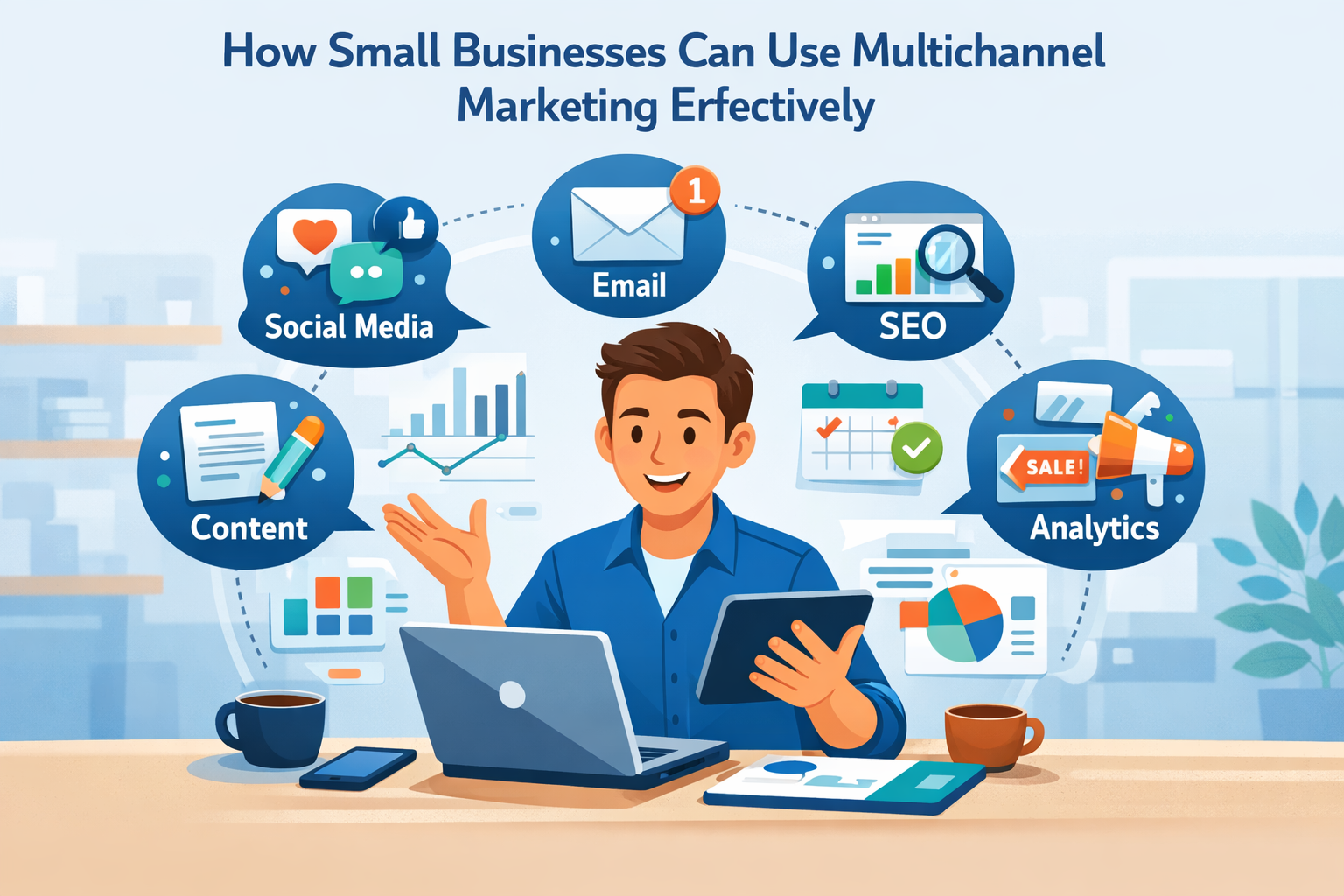
- Choosing the right channels (SEO, social media, ads, email, local search)
- Measuring and improving results
In simple words:
Marketing connects your business to the people who need it most.
Why Is Marketing Important to a Business? (Core Reasons)
- Marketing Creates Visibility in a Crowded Market
No matter how great your offering is, people can’t buy what they can’t see.
Marketing ensures:
- Your business appears on Google search
- Your brand is visible on social media
- Local customers can find and contact you easily
For example, two similar local service providers:
- One invests in local SEO and Google Business Profile
- One doesn’t
The first one gets calls daily. The second waits.
- Marketing Helps Startups Get Their First Customers
For entrepreneurs and startup founders, the biggest question is:
“How do I get my first 50–100 customers?”
Marketing provides structured answers:
- SEO brings intent-based traffic
- Social media builds early traction
- Paid ads deliver quick testing and validation
- Content builds long-term trust
Without marketing, startups rely only on referrals—which slows growth and limits scale.
- Marketing Builds Brand Trust & Credibility
Modern customers don’t buy instantly.
They:
- Google your business
- Check reviews
- Visit your website
- Look at your social presence
Consistent marketing:
- Positions you as an expert
- Builds credibility before the sales conversation
- Reduces resistance during buying decisions
A business that educates its audience wins trust before selling.
- Marketing Drives Revenue, Not Just Traffic
One common misconception:
“Marketing is an expense.”
In reality, marketing is a revenue engine when done correctly.
High-ROI marketing channels include:
- SEO & content marketing (compounding growth)
- Email marketing (highest ROI channel globally)
- Retargeting ads (convert warm audiences)
- Organic social media (low cost, high engagement)
At Nexbuz, we focus on performance-driven marketing, not vanity metrics like likes or impressions.
- Marketing Helps You Understand Your Customers Better
Marketing is also a listening tool.
With the right analytics, businesses learn:
- What customers search for
- Which messages convert
- Which channels drive real leads
- What problems customers want solved
This insight helps improve:
- Products
- Pricing
- Offers
- Sales strategies
Businesses that understand customers outperform those that guess.
- Marketing Gives You a Competitive Advantage
Your competitors are already marketing—online or offline.
If you’re not:
- You lose visibility
- You lose brand recall
- You lose customers silently
Strategic marketing allows:
- Small businesses to compete with big brands
- Startups to challenge established players
- Local businesses to dominate their area
Marketing levels the playing field.
Importance of Marketing for Different Business Types
For Entrepreneurs & Startup Founders
Marketing helps to:
- Validate ideas quickly
- Attract early adopters
- Build traction and credibility
- Prepare for funding and scaling
Without marketing, startups struggle to gain momentum—even with great ideas.
For Local Business Owners
Marketing helps local businesses:
- Rank on Google Maps
- Increase calls and walk-ins
- Build local trust through reviews
- Generate consistent leads
Local SEO + reviews = steady growth.
For Marketing Managers in SMEs
Marketing provides:
- Measurable growth strategies
- Structured reporting for leadership
- Budget justification with data
- Alignment between marketing and sales
Marketing becomes a business driver, not a cost center.
Low-Cost, High-ROI Marketing Strategies Businesses Should Focus On
- SEO & Content Marketing (Long-Term Growth)
- Answer customer questions with blogs
- Target intent-driven keywords
- Build authority over time
SEO is slow initially but powerful and sustainable.
- Social Media Marketing (Trust & Engagement)
- Educate instead of only selling
- Show behind-the-scenes
- Build relationships with your audience
Consistency matters more than virality.
- Email & WhatsApp Marketing (Highest ROI)
- Own your audience
- Nurture leads over time
- Increase repeat sales
This channel gives control, unlike paid ads.
- Local SEO & Google Business Profile
- Optimize listings
- Collect reviews
- Add regular updates
Essential for service-based and local businesses.
Common Marketing Mistakes Businesses Make
No clear strategy
Chasing trends blindly
Inconsistent efforts
Focusing only on ads, ignoring content
Measuring likes instead of leads
Smart marketing is planned, tracked, and optimized.
Why Strategic Marketing Matters More Than Ever
Today’s customers:
- Are well-informed
- Compare multiple options
- Expect personalized experiences
Random marketing no longer works.
Businesses need:
- Clear positioning
- Right channels
- Consistent messaging
- Data-driven decisions
That’s where strategy separates growing brands from struggling ones.
Why Businesses Choose Nexbuz for Marketing Growth
At Nexbuz, we don’t believe in one-size-fits-all marketing solutions—because no two businesses grow the same way. Every brand has a unique audience, market position, and growth challenge. That’s why our approach starts with understanding your business goals, not pushing generic services.
We work as a strategic growth partner, helping businesses move from inconsistent results to predictable, scalable growth.
- We Build Custom Growth Strategies (Not Templates)
Instead of following trends blindly, we:
- Analyze your business model
- Understand your target audience
- Study competitors and market gaps
- Align marketing with revenue goals
This allows us to design custom growth strategies that fit your stage—whether you’re launching, scaling, or optimizing.
Result: Clear direction, focused execution, and faster results.
- We Generate Qualified Leads, Not Just Traffic
Traffic without conversions is useless.
At Nexbuz, our focus is on:
- High-intent audiences
- Conversion-ready messaging
- Lead quality, not vanity numbers
We build systems that attract people who are ready to inquire, book, or buy—not just scroll.
Result: Better leads, higher conversions, and stronger ROI.
- We Improve Online Visibility Where It Matters Most
Being online is not enough. You need to be visible where your customers are searching.
We help businesses:
- Rank on Google through SEO
- Improve local visibility via Google Maps
- Build authority through content
- Strengthen brand presence on social platforms
Result: Consistent visibility that drives inbound opportunities.
- We Help You Scale with Predictable Marketing Systems
Random marketing creates random results.
Our focus is on building repeatable and scalable systems, so growth doesn’t depend on luck or one-time campaigns.
These systems include:
- Lead generation funnels
- Automated follow-ups
- Performance tracking
- Continuous optimization
Result: Stable growth you can plan, forecast, and scale.
Our Integrated Marketing Approach
We combine multiple growth channels into one cohesive strategy—so every effort supports the other.
SEO & Content Marketing (Long-Term Authority)
We create content that:
- Answers real customer questions
- Targets high-intent keywords
- Builds trust and expertise
- Drives organic, compounding traffic
SEO is not a quick hack—it’s a long-term growth asset, and we build it the right way.
Performance Marketing (Faster, Measurable Results)
For businesses that need faster traction, we run:
- Google Ads
- Social media ads
- Retargeting campaigns
But we don’t burn budgets blindly. Every campaign is:
- Data-backed
- Conversion-focused
- Optimized for ROI
Conversion Optimization (Turn Visitors into Customers)
Getting traffic is step one. Converting it is step two.
We optimize:
- Landing pages
- Messaging and CTAs
- User journeys
- Trust elements (reviews, proof, clarity)
Even small improvements in conversion can double results without increasing ad spend.
Data & Analytics (Decisions Based on Facts, Not Assumptions)
We track what truly matters:
- Leads
- Cost per acquisition
- Conversion rates
- Revenue impact
This allows us to:
- Identify what’s working
- Eliminate waste
- Scale profitable channels
Every decision is guided by data—not guesswork.
The Nexbuz Difference
What sets Nexbuz apart is our business-first mindset.
We don’t ask:
“How many posts should we do?”
“Which platform is trending?”
We ask:
“How will this impact growth?”
“Will this bring qualified leads?”
“Does this support long-term revenue?”
That’s why our clients don’t just get marketing—they get measurable business outcomes.
Conclusion: Why Marketing Is the Backbone of Business Growth
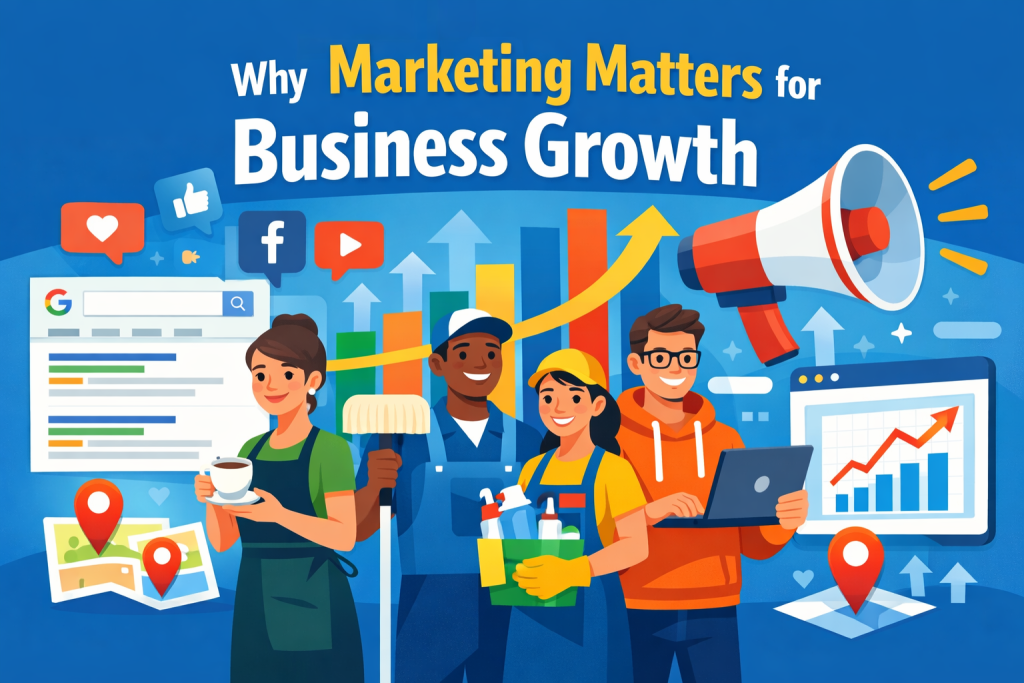
Marketing is not just about promotion—it is about building visibility, trust, and long-term relationships with customers. No matter how strong your product or service is, without marketing, your business remains invisible to the people who need it most.
For startups, marketing helps validate ideas and acquire the first customers. For local businesses, it drives consistent leads and footfall. For growing SMEs, it creates predictable revenue and a competitive edge. In short, marketing transforms effort into measurable growth.
The businesses that succeed are not always the ones with the best products—but the ones that communicate their value clearly and consistently.
If you want to attract the right audience, convert interest into sales, and scale sustainably, strategic marketing is not optional—it is essential. With the right approach and execution, marketing becomes your most powerful business asset.
Frequently Asked Questions (FAQs)
- Why is marketing important to a business?
Marketing is important because it helps businesses attract customers, build brand awareness, establish trust, and generate revenue. Without marketing, even great products struggle to reach the right audience.
- What happens if a business does not invest in marketing?
A business without marketing faces low visibility, fewer customers, and slower growth. It often becomes dependent on word-of-mouth, which limits scalability and long-term success.
- Is marketing important for small and local businesses?
Yes, marketing is especially important for small and local businesses. It helps them compete with larger brands, attract nearby customers, improve local search visibility, and build trust through reviews and content.
- What type of marketing gives the highest return on investment?
SEO, content marketing, email marketing, and retargeting ads generally provide the highest ROI because they attract high-intent audiences and deliver long-term value when done strategically.
- How does marketing help startups grow?
Marketing helps startups gain early traction, acquire first customers, validate their ideas, and build credibility in the market. It also supports fundraising and scaling efforts by showing measurable growth.
- Is digital marketing better than traditional marketing?
Digital marketing is often more cost-effective and measurable than traditional marketing. It allows businesses to target specific audiences, track performance in real time, and optimize campaigns for better results.
- Can marketing help businesses during slow sales periods?
Yes, marketing helps maintain visibility, nurture leads, and build trust even during slow periods. Businesses that continue marketing during downturns recover faster and gain a competitive advantage.
- How long does it take to see results from marketing?
Results depend on the strategy and channels used. Paid ads can show quick results, while SEO and content marketing typically take 3–6 months but deliver long-term, sustainable growth.
- Why is strategy important in marketing?
Without a strategy, marketing efforts become inconsistent and ineffective. A clear strategy ensures the right message reaches the right audience through the right channels, maximizing ROI.
- How can businesses start marketing with a limited budget?
Businesses can start with low-cost channels like SEO, social media, email marketing, and local optimization. Consistency and value-driven content often outperform expensive campaigns.
Ready to grow with a smart marketing strategy?
Explore how Nexbuz can help you turn visibility into revenue.