Building a business plan without market research is one of the biggest reasons startups and small businesses fail.
You may have a great product or service—but if you don’t clearly understand who your customers are, what they want, and how they make buying decisions, growth becomes guesswork.
This guide explains how to do market research for a business plan in a simple, practical, and cost-effective way—especially for:
- Entrepreneurs & startup founders looking for their first customers
- Local business owners wanting steady growth
- Marketing managers in SMEs who need a clear, presentable strategy
At Nexbuz, we help businesses turn market insights into predictable growth systems. This article breaks down exactly how you can do the same—step by step.
What Is Market Research in a Business Plan? (Simple Definition)
Market research is the process of collecting and analyzing information about:
- Your target customers
- Their problems and buying behavior
- Your competitors
- Market demand, trends, and pricing
In a business plan, market research proves that:
- There is real demand for your idea
- You understand your ideal customer
- Your pricing and positioning make sense
- Your marketing strategy is based on data—not assumptions
In short: market research reduces risk and increases confidence.
Why Market Research Is Non-Negotiable for New Businesses
Many founders skip research because they believe:
“I know my market already.”
That assumption is expensive.
Market research helps you:
- Avoid building something nobody wants
- Identify profitable customer segments
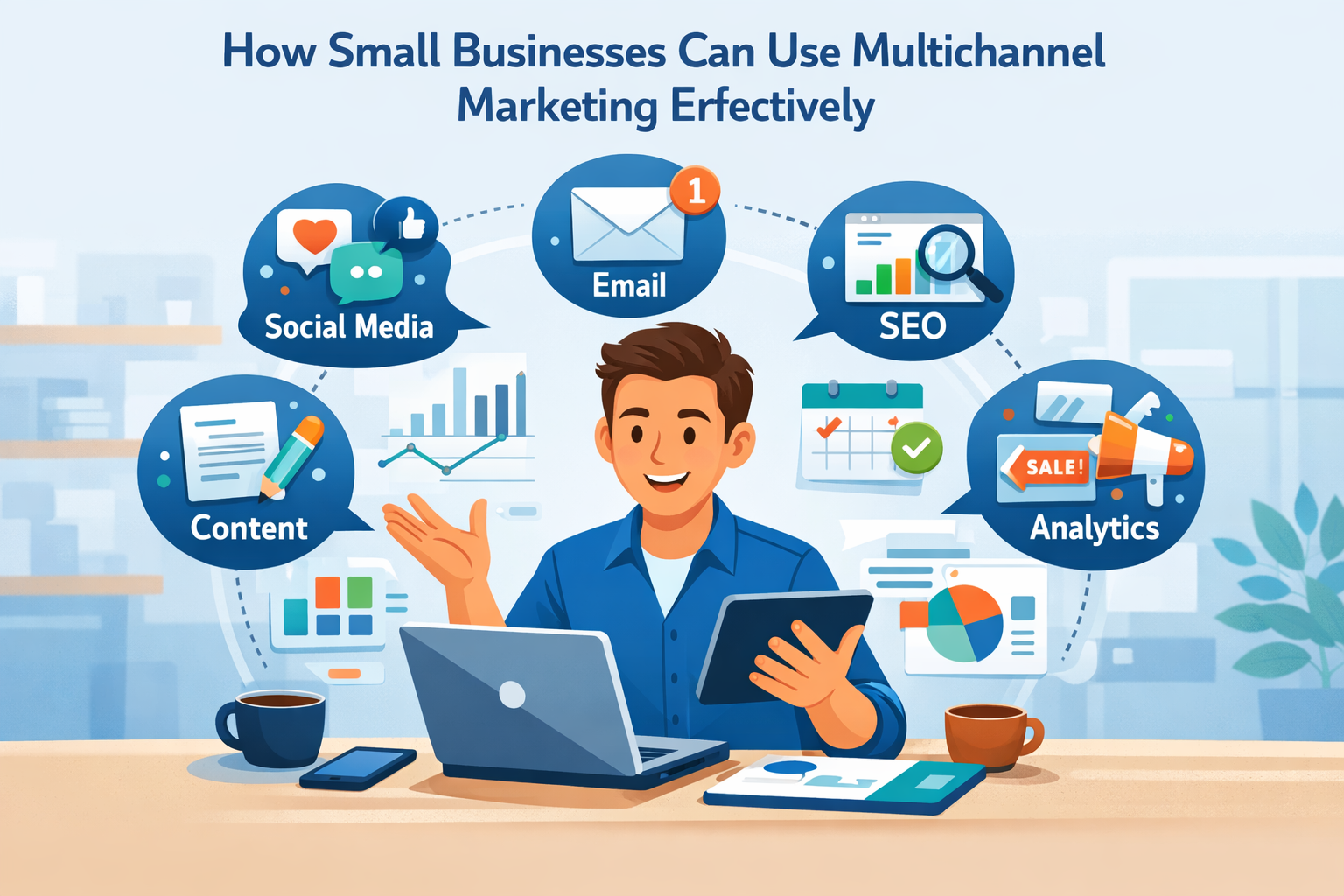
- Choose the right marketing channels (SEO, social media, email, ads)
- Understand local vs online demand
- Create a business plan investors and partners trust
For local businesses and Indian startups, market research also reveals:
- Area-specific demand
- Local competitor strengths
- Price sensitivity by location
Step 1: Define Your Target Market Clearly
Before research begins, define who you are researching.
Ask:
- Who is my ideal customer?
- Are they individuals or businesses?
- What problem are they actively trying to solve?
- Where are they located (city, region, online)?
Example:
- SaaS startup → Small business owners with 5–50 employees
- Local salon → Women aged 20–45 within a 5 km radius
- B2B service → SME founders in Tier-1 & Tier-2 cities
Clarity here saves money later.
Step 2: Create a Simple Customer Persona
A customer persona is a fictional but realistic profile of your ideal customer.
Include:
- Age group
- Profession or business type
- Income range
- Pain points
- Goals
- Online platforms they use
Why this matters
Your persona helps you decide:
- What messaging works
- Which platform to focus on
- How to price your offering
At Nexbuz, we’ve seen businesses double conversions just by refining their customer persona before marketing.
Step 3: Conduct Primary Market Research (Low-Cost & High Impact)
Primary research means collecting data directly from potential customers.
Budget-friendly methods:
- Google Forms surveys
- WhatsApp or Telegram polls
- Instagram story questions
- 1-on-1 customer interviews
- Feedback from existing customers
Questions you should ask:
- What problem are you facing right now?
- How are you currently solving it?
- What do you dislike about current solutions?
- How much would you realistically pay for a better option?
Even 15–20 real conversations can uncover patterns that change your strategy.
Step 4: Use Secondary Market Research (Free Tools)
Secondary research uses existing data available online.
Best free tools:
- Google Search (People Also Ask section)
- Google Trends
- YouTube comments
- Reddit & Quora discussions
- Competitor websites
- Online reviews (Google, Justdial, Clutch, Amazon)
What to look for:
- Growing vs declining demand
- Common complaints
- Frequently asked questions
- Content gaps competitors ignore
This step is powerful for SEO-led business plans.
Step 5: Analyze Your Competitors Like a Strategist
Competitor analysis is not about copying—it’s about positioning.
Study:
- Their services/products
- Pricing models
- Website messaging
- Social media activity
- Customer reviews
Ask:
- Why do customers choose them?
- Where do customers complain?
- What can I do better, faster, or cheaper?
Your competitive advantage often hides in customer dissatisfaction.
Step 6: Estimate Market Size (Without Overcomplicating)
You don’t need expensive reports.
Use this simple approach:
- Identify total potential customers
- Multiply by average price
- Narrow it to your reachable audience
Example:
If 10,000 local businesses exist and 10% need your service → 1,000 potential customers.
This shows realistic opportunity, not inflated numbers.
Step 7: Validate Demand Before You Invest Big
Validation is where smart businesses win.
Low-risk validation ideas:
- Run a small Google or Instagram ad
- Create a landing page with a lead form
- Offer a free consultation or demo
- Post educational content consistently
If people:
- Click
- Enquire
- Book calls
Your market research is working.
At Nexbuz, this validation step saves businesses months of wasted effort.
Step 8: Turn Market Research into a Marketing Strategy
Your research should directly influence:
- Platform selection
- Content topics
- Ad messaging
- Pricing
- Sales funnel design
High-ROI channels often revealed by research:
- SEO & Local SEO for long-term leads
- Social media marketing for trust & awareness
- Performance ads for fast testing
- Email & WhatsApp marketing for conversions
The goal is focus, not everywhere marketing.
How to Present Market Research in a Business Plan
Your business plan should include:
- Target market overview
- Customer personas
- Market demand & trends
- Competitor analysis
- Pricing insights
- Marketing channels & strategy
Keep it:
- Data-backed
- Simple
- Easy to explain
Investors and stakeholders care more about clarity than complexity.
Common Market Research Mistakes to Avoid
Relying only on assumptions
Targeting everyone
Ignoring local competitors
Copying competitors blindly
Skipping validation
Not connecting research to marketing actions
Avoiding these mistakes puts you ahead of 80% of businesses.
How Nexbuz Approaches Market Research & Growth
At Nexbuz, we don’t believe in one-size-fits-all marketing—because no two businesses, markets, or customers are the same.
Our growth approach starts with deep market research and ends with measurable, predictable results. Instead of chasing trends or vanity metrics, we focus on building systems that connect real customer insights with high-ROI digital execution.
1. Customer Research: Understanding Real Buying Behavior
Every successful growth strategy begins with understanding the customer—not assumptions.
We analyze:
- Customer pain points and unmet needs
- Buying triggers and objections
- Decision-making patterns
- Online behavior across search, social, and content platforms
Through surveys, interviews, analytics, and behavioral data, we uncover why customers buy, not just what they buy. This allows us to craft messaging, offers, and funnels that resonate and convert.
2. Competitor Insights: Finding Gaps, Not Copying
Competition analysis at Nexbuz is strategic, not reactive.
We study:
- Competitor positioning and messaging
- Pricing models and value propositions
- Traffic sources and content strategies
- Customer reviews and feedback gaps
Instead of copying competitors, we identify opportunities they are missing. These gaps become your differentiation—helping your brand stand out in crowded markets.
3. SEO & Performance Marketing: Demand Meets Visibility
Market research reveals what people are searching for and where attention already exists.
We combine:
- SEO and Local SEO for long-term organic growth
- Performance marketing (Google, Meta, LinkedIn) for fast demand validation
- Content strategies aligned with real search intent
This ensures your business shows up at the right time, on the right platform, for the right audience—maximizing both reach and return on investment.
4. Conversion Optimization: Turning Traffic into Leads
Traffic alone doesn’t grow a business—conversions do.
Nexbuz focuses on:
- Landing page optimization
- Clear value propositions
- Strong calls-to-action
- Funnel and user-journey improvements
By aligning customer intent with page experience, we turn visitors into qualified leads, not just clicks.
5. Analytics-Driven Decision Making: Growth Backed by Data
We believe growth should be measurable and predictable.
Our team tracks:
- User behavior and funnel performance
- Channel-wise ROI
- Lead quality and conversion rates
- Campaign insights and optimization opportunities
Every decision is backed by data—allowing us to refine strategies continuously and scale what works.
How We Help Businesses Grow
Using this research-first framework, Nexbuz helps startups, local businesses, and SMEs:
Find the Right Audience
We identify who your best customers are—and where to reach them—so your marketing budget is focused, not wasted.
Choose Profitable Channels
Based on data, we prioritize the channels that deliver the highest ROI, whether that’s SEO, social media, paid ads, or email marketing.
Generate Qualified Leads
Our systems are designed to attract prospects who are genuinely interested and ready to engage—not just traffic numbers.
Build Predictable Growth Systems
By combining research, execution, and analytics, we build scalable digital systems that deliver consistent results over time.
Market Research Is Where Everything Begins
At Nexbuz, market research isn’t a one-time activity—it’s the foundation of sustainable growth.
When you understand your market clearly, every marketing decision becomes smarter, faster, and more profitable.
Conclusion: Market Research Is the Foundation of Confident Growth
Market research is not just a section in your business plan—it’s the foundation of every smart business decision.
When you truly understand your customers, your competitors, and your market demand, you stop guessing and start growing with clarity. From choosing the right marketing channels to creating offers that convert, every successful strategy begins with real insights, not assumptions.
At Nexbuz, we believe that growth should be intentional, data-driven, and sustainable. By combining customer research, competitor analysis, SEO, performance marketing, and analytics, we help businesses build systems that attract the right audience, generate qualified leads, and scale predictably.
Whether you’re launching a startup, growing a local business, or optimizing marketing for an SME, investing time in proper market research will always deliver the highest return.
Because when you know your market, growth becomes a process—not a risk.
FAQs: Market Research for Business Plans & Growth
What is market research in a business plan?
Market research in a business plan is the process of analyzing your target audience, competitors, and market demand to validate your business idea and guide your marketing and growth strategy.
Why is market research important before starting a business?
Market research helps reduce risk by ensuring there is real demand for your product or service. It helps you understand customer needs, pricing expectations, and the best channels to reach them.
How much market research is enough for a startup?
You don’t need massive reports. Enough research means you can clearly answer:
- Who your ideal customer is
- What problem you solve
- Why customers will choose you
- How you will reach them
Can small or local businesses do market research on a low budget?
Yes. Surveys, customer interviews, competitor analysis, Google Trends, and local SEO data are cost-effective methods that deliver powerful insights without high investment.
What tools can I use for market research?
Some effective tools include:
- Google Trends
- Google Search & People Also Ask
- Social media polls and insights
- Customer reviews and forums
- Website and analytics tools
How does market research help in marketing strategy?
Market research reveals where your audience spends time, what they search for, and what messaging resonates—allowing you to focus on high-ROI channels like SEO, social media, or email marketing.
When should market research be updated?
Market research should be ongoing. Customer behavior, competitors, and market trends change, so regular updates help you stay relevant and competitive.
How does Nexbuz use market research to drive growth?
Nexbuz uses market research to identify the right audience, uncover market gaps, choose profitable channels, and build data-driven growth systems that generate qualified leads and predictable results.
Ready to Build a Market-Driven Growth Strategy?
If you want expert help turning research into real customers and revenue,
Nexbuz helps businesses move from ideas to scalable growth—strategically and sustainably.